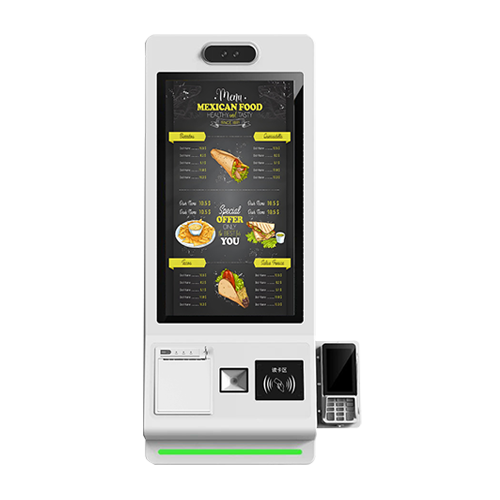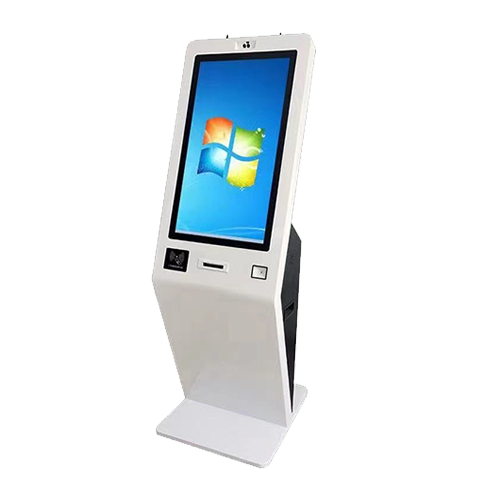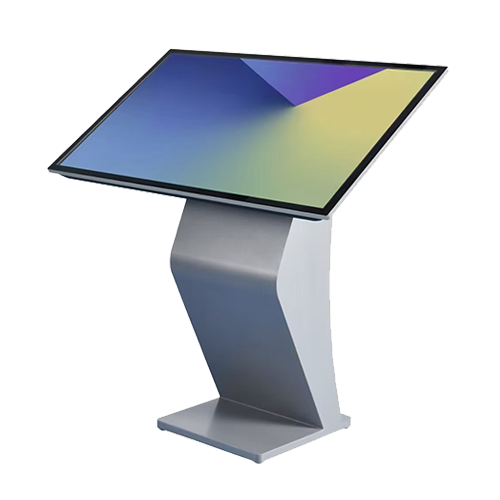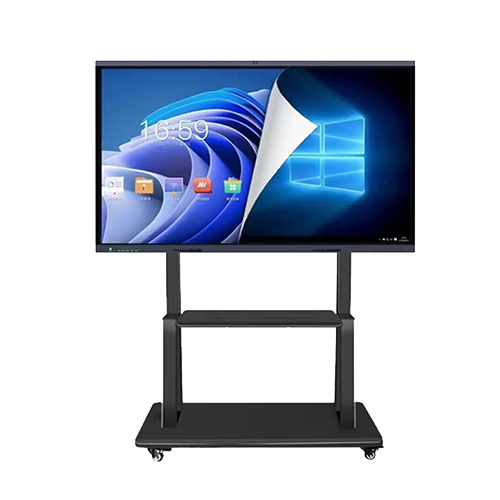

Self-service ordering kiosks have become a standard in the catering industry by 2026. However, not all restaurants can achieve the same returns. According to current industry data, the following types of restaurants have shown the most significant results.
1. Fast food restaurants
High customer flow + standardized menu + customers' pursuit of speed
Industry research shows that fast food customers generally prefer using self-service ordering kiosks over manual cashiering. After deployment, the average transaction value typically increases by 15%-20%, and intelligent recommendations on the screen can effectively increase the likelihood of customers accepting additional products.
2. Casual fast food restaurants
Higher average transaction value → Larger absolute value of revenue growth
Leading casual fast food brands are investing heavily in automation technology. The average transaction value of these restaurants is higher than that of traditional fast food restaurants, meaning the same efficiency improvement can bring a greater impact on profits.
3. Coffee cafes and coffee shops
Customized orders are the highlight - alternative milk, syrup, and ingredients
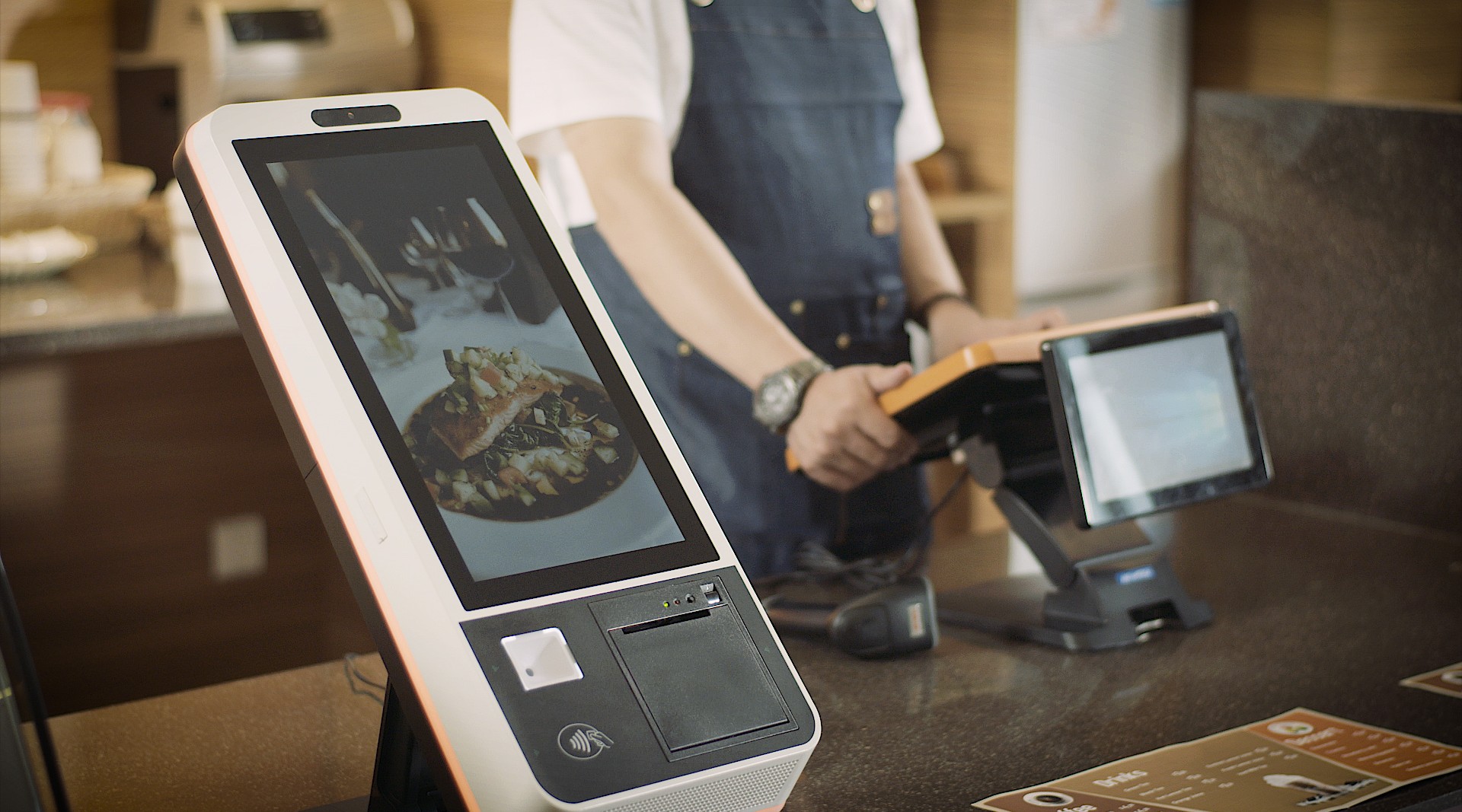
The complexity of coffee orders is well known. Self-service ordering kiosks allow customers to accurately check each customization request, and the order is directly passed to the barista, with zero communication costs and zero ordering errors.
4. Food courts and high-traffic locations
Customer flow drives returns, speed wins
When one machine can achieve the same processing capacity as a manual cashier counter, without breaks or leave, the economic benefits become very clear. With multiple devices deployed in parallel, the service capacity of the restaurant during peak hours can be significantly improved.
Data speaks
Industry data shows that restaurants deploying self-service ordering kiosks have:
▪ Increased average transaction value by 15%-20%
▪ Reduced front-end manpower by 15%-25%
Taking a store with an annual revenue of $1.2 million as an example:
▪ A 15% increase in transaction value = an annual revenue increase of $180,000
▪ Combined with manpower cost optimization, the equipment investment can usually be recovered within 6-18 months
 Add:3rd Floor, Building 2, No.548, Xitian Third Industrial Zone, Gongming, Guangming District, Shenzhen, Guangdong, China
 Tel:+86 18823751946/+86 17688554003
 Email:quan@qinau.com



Copyright © 2025-2027 Shenzhen Qingyao Technology Co., Ltd.